Why Is Ino Tadataka Famous?
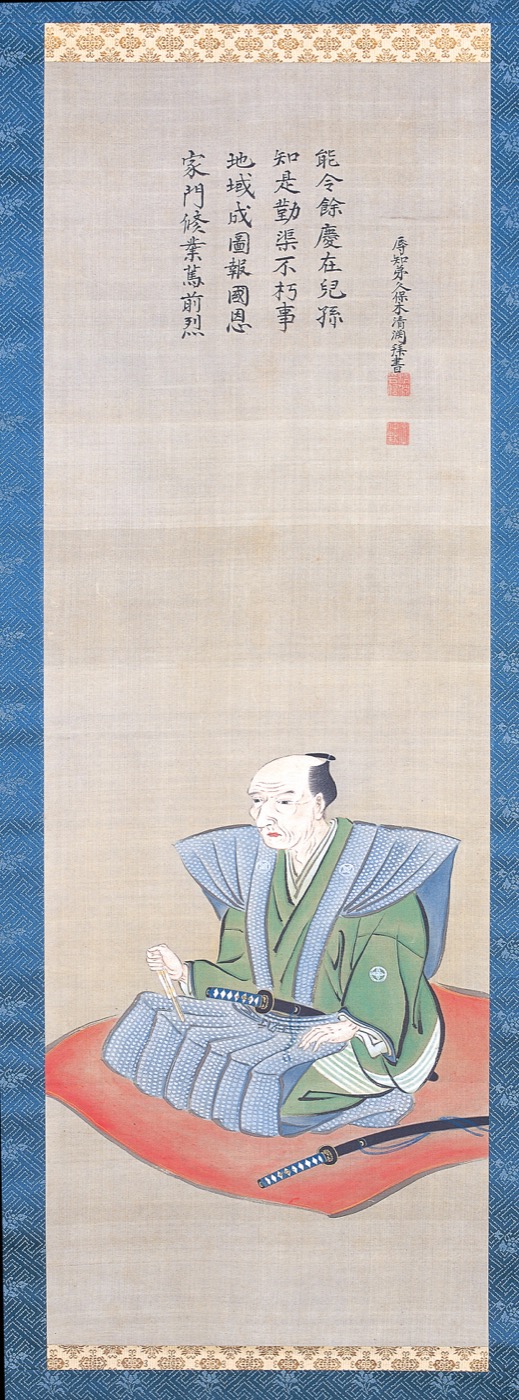
Ino Tadataka is best known as the man who began a major new chapter of life after age 55 and helped create one of Japan’s most famous early maps.
But that summary is still too small.
What makes him interesting even now is not just that he made a map. It is that he reinvented himself late in life, combined scholarship with fieldwork, and helped change how Japan could be seen and understood.
A portrait of Ino Tadataka. He is remembered not only as a historical cartographer, but also as someone who began a major challenge later in life.
This is why his story still feels fresh today. He is not only a historical figure. He is also a compelling example of what it looks like when learning, discipline, and long-term work actually lead somewhere.
1. The real surprise is not just his age, but that he rewrote his life
People often remember Ino Tadataka because he started his best-known work after 55. That is true, but it is only the headline.
What makes the story more striking is that he did not begin as a scholar or official mapmaker. He had already lived another life as a successful merchant. After that, he turned seriously toward astronomy, surveying, and calendar studies.
In modern terms, this feels less like a hobby and more like a complete second career, one that eventually produced work remembered across centuries.
That is why his story resonates now. It is not simply about “starting late.” It is about building a new identity and doing serious work with it.
2. He did not just walk Japan. He measured it
Another reason he matters is that his journeys were not romantic travel in the modern sense.
He and his teams moved across different regions to observe, calculate, record, and compare. The journeys tied to his surveys are often described as totaling around 40,000 kilometers, but the more important point is why he was walking: to gather usable data.
That makes his work feel much more concrete. He was not only curious about the shape of Japan. He was trying to verify it through disciplined fieldwork.
In an age without GPS, railways, or modern transport, that kind of persistent measurement was extraordinary.
3. He used the sky to understand the ground
One detail that makes Ino Tadataka more interesting than a simple “walker who made maps” is that his work drew on astronomy as well as direct land measurement.
Accurate mapping requires more than distance. It also depends on orientation, position, and reference points. That is why his study of astronomy matters so much to the story.
This combination of observing the heavens and measuring the earth gives his work a depth that is easy to miss in short summaries. He was not only determined. He was methodical.
That is part of what gives his maps their authority. They came out of a disciplined way of seeing the world.
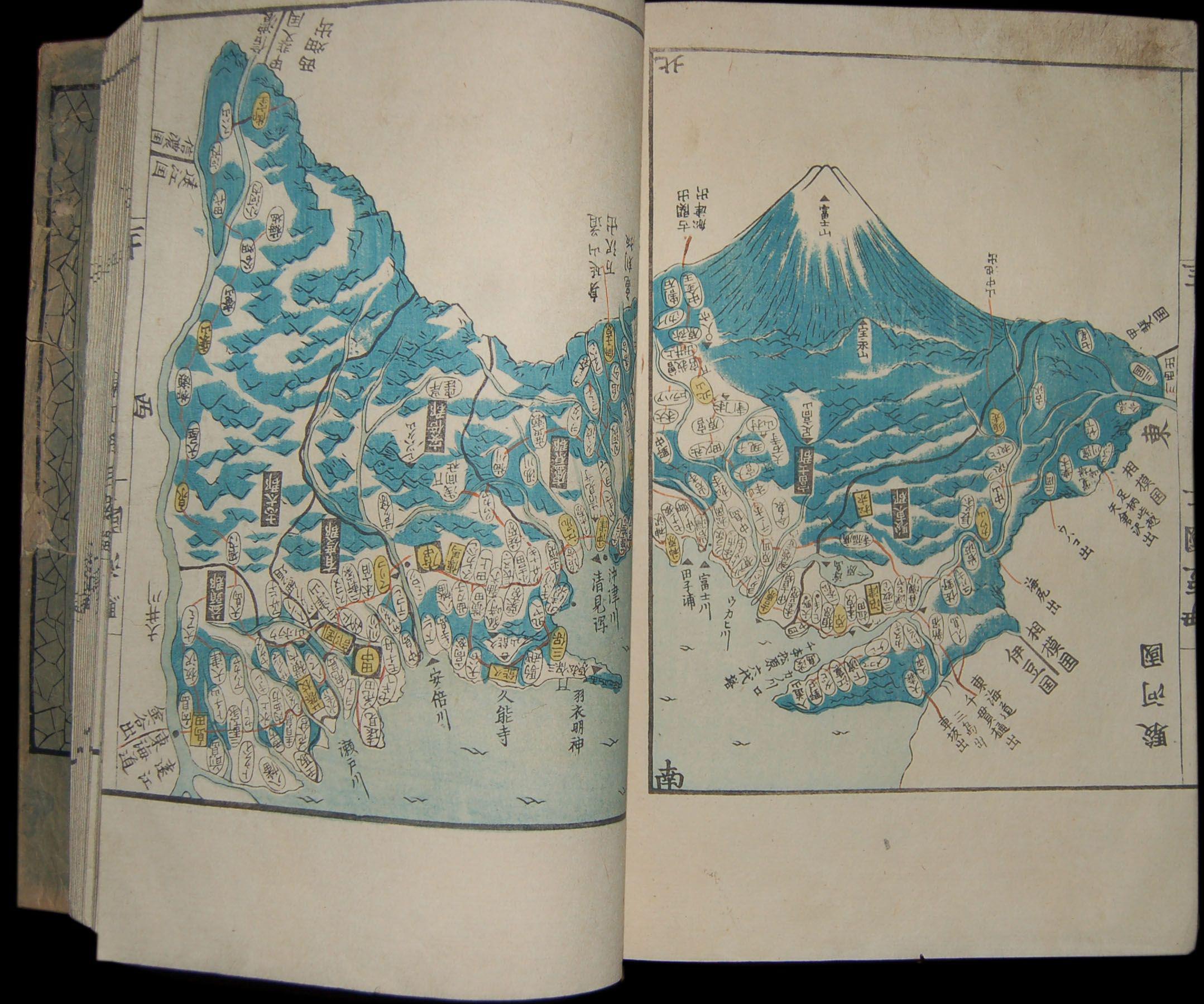
A detail from an Ino map. The coastline and place labels help show why the maps connected to his work are still admired today.
4. His maps mattered because they changed how Japan could be pictured
The maps associated with his name are often praised for their accuracy, and rightly so. For the Edo period, they were remarkably precise.
But the deeper point is not only that they were “good maps.” It is that better maps change how a place can be imagined, governed, studied, and shared.
In that sense, Ino Tadataka was part of changing Japan from something known through fragments and routes into something that could be grasped more fully as a whole.
5. He was not just a lone genius. He made durable work possible
It is tempting to tell his story as if one brilliant man simply went out and solved everything. But the lasting value of his work also came from organization, continuity, and transmission.
He studied seriously, built field practice, worked with others, and left behind work that could be carried forward. He died before the project was fully completed, and yet the work did not disappear with him.
That makes his achievement feel modern. Great work is rarely just inspiration. It is a system of persistence, collaboration, and standards.
Ino Tadataka is memorable not only because he started late or walked far, but because he turned learning into a durable form of knowledge.
Quick Questions
How old was Ino Tadataka when he began mapping Japan?
His major surveying work is commonly associated with age 55, though his studies began earlier.
How far did Ino Tadataka walk?
The journeys connected to his surveys are often described as totaling about 40,000 kilometers. The scale matters, but what matters even more is that the walking was tied to careful surveying work.
Were his maps really accurate?
Yes, especially considering the time period. They were not modern maps, but they were accurate enough to remain widely respected.
Why People Still Find Him Fascinating
People who become interested in Ino Tadataka often like one or more of these themes:
- historical figures who changed course later in life
- the history of maps and surveying
- long journeys and exploration
- practical learning that leads to real achievement
- people who turn precision into something culturally lasting
That is why his story continues to resonate. He represents persistence, precision, and the idea that learning becomes powerful when it changes how the world can be understood.
Want to Experience Ino Tadataka’s Journey in a More Personal Way?
If the part of his story that speaks to you most is the idea of walking across Japan step by step, you may also enjoy Footscroll, an app inspired by Ino Tadataka’s journey.
It lets your daily steps move a small surveyor across a Japanese map, turning ordinary walking into a quiet historical adventure.
You can read more on the Footscroll page.

